
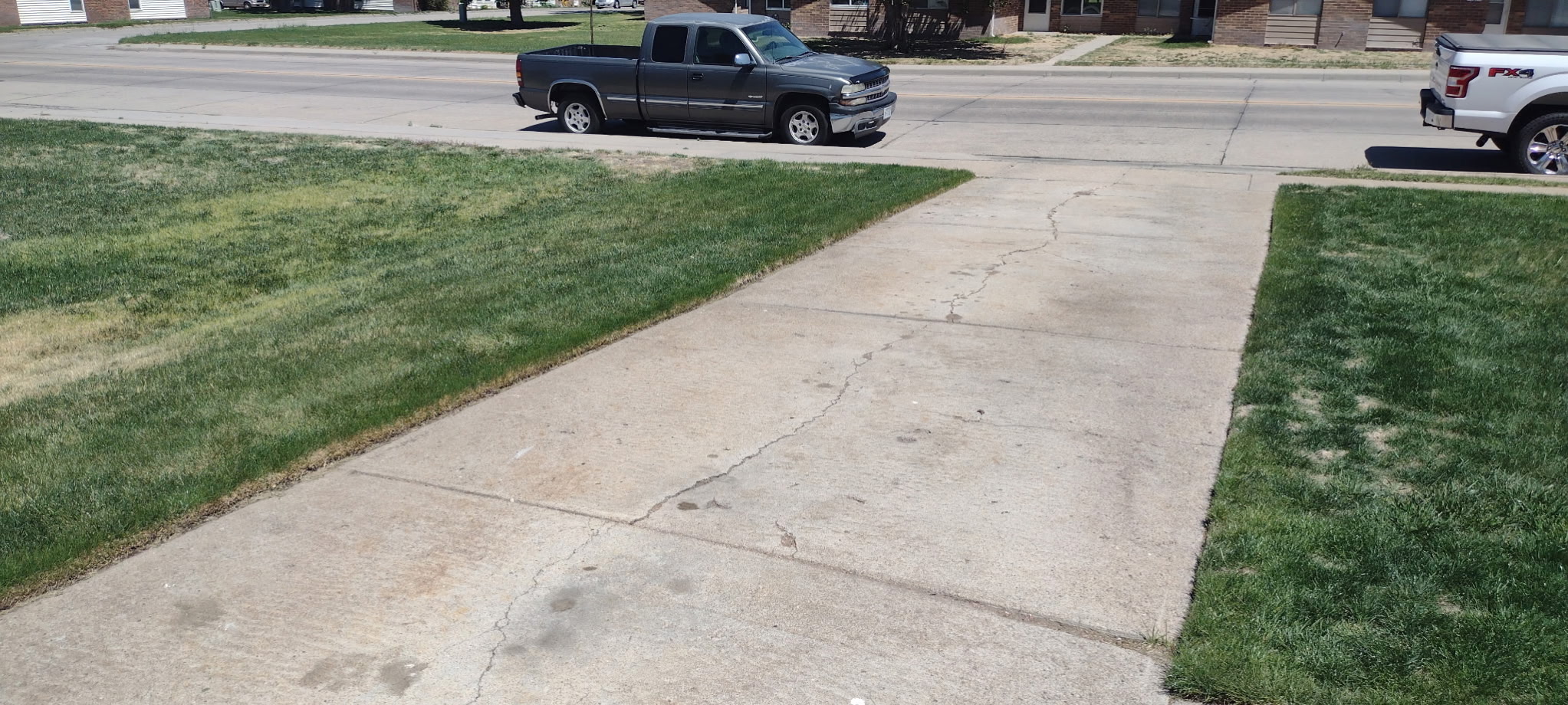
Concrete driveways crack in Colorado Springs for several reasons, including freeze-thaw cycles, shifting soil, moisture, and everyday wear. If you’ve noticed cracks forming in your driveway, you’re not alone. The good news is that not every cracked driveway needs to be replaced.
But here’s something important: Not every cracked driveway needs to be replaced.
At Concrete Rescue Co., we believe homeowners deserve to understand what’s happening to their concrete before investing in expensive repairs or replacement.
Why Do Concrete Driveways Crack in Colorado Springs?
1. Freeze-Thaw Cycles
Colorado’s fluctuating temperatures can be particularly hard on concrete. Moisture enters small cracks and pores, freezes, expands, and can gradually worsen existing damage.
Repeated freeze-thaw cycles may lead to widening cracks, surface deterioration, and spalling.
The National Ready Mixed Concrete Association provides additional information about concrete durability and freeze-thaw exposure.
2. Soil Movement and Settlement
Colorado’s soils can expand, shrink, or settle as moisture conditions change.
When the ground beneath a driveway shifts or loses support, the concrete above may crack or become uneven.
3. Improper Installation
Driveways without adequate base preparation, properly placed control joints, or appropriate curing practices may be more susceptible to premature cracking.
Even correctly installed concrete can crack, but good installation practices help control where and how cracking occurs.
4. Heavy Loads and Everyday Wear
Vehicles, delivery trucks, trailers, and concentrated loads can contribute to cracking, particularly when the concrete is thin or the underlying base is poorly supported.
Which Concrete Cracks Should You Worry About?
Not all cracks indicate serious damage. Understanding the difference can help you avoid unnecessary expenses.
Hairline Cracks
Small, narrow cracks are common in concrete and may be primarily cosmetic.
Depending on their location and condition, they may only require monitoring or appropriate crack sealing to reduce moisture intrusion.
Widening Cracks
Cracks that continue expanding deserve closer attention.
They may indicate ongoing movement, settlement, or deterioration beneath the surface.
Uneven or Displaced Cracks
When one side of a crack sits higher than the other, it can indicate differential settlement or movement.
These cracks may also create trip hazards and drainage problems.
Cracks With Surface Deterioration
Cracking accompanied by flaking, scaling, or crumbling concrete may indicate more extensive deterioration.
The condition of the surrounding concrete helps determine whether a repair will last.
Can a Cracked Concrete Driveway Be Repaired?
In many cases, yes.
The right solution depends on the cause of the cracking, the condition of the concrete, and whether movement is still occurring.
Concrete crack repair: Suitable for certain localized cracks where the surrounding concrete remains sound.
Concrete sealing: Helps reduce moisture penetration and protect suitable concrete surfaces from additional weathering.
Concrete resurfacing: May be an option when the underlying slab is stable and structurally suitable, but the surface has become worn or damaged.
Concrete replacement: May be necessary when slabs are severely deteriorated, unstable, extensively displaced, or otherwise unsuitable for lasting repairs.
A surface overlay should not be treated as a solution for active structural movement. Existing cracks can reflect through resurfacing materials if underlying problems aren’t addressed.
When Should You Replace Your Concrete Driveway?
Replacement may be the better long-term investment when:
- Multiple slabs have significant settlement or displacement.
- The concrete has extensive deep cracking or deterioration.
- The underlying base has failed and requires reconstruction.
- Drainage problems cannot be adequately corrected through repair.
- The cost and limitations of repairs make replacement more practical.
However, a driveway with minor surface cracking or localized damage may still have years of useful life remaining.
How Concrete Rescue Co. Helps Colorado Springs Homeowners
At Concrete Rescue Co., we take a different approach to concrete damage.
Rather than automatically recommending replacement, we assess the condition of your existing concrete and explain the available options.
Our three-tier approach focuses on:
Protect: Preventive concrete sealing and maintenance.
Repair & Resurface: Targeted repairs and resurfacing when the existing concrete is suitable.
Replace: Full residential flatwork replacement when necessary.
Our goal is to help homeowners make informed decisions based on their concrete’s actual condition.
Schedule a Free Concrete Rescue Assessment
If your driveway is cracking, settling, or showing signs of deterioration, the first step is understanding why.
Concrete Rescue Co. serves homeowners throughout Colorado Springs and surrounding Front Range communities.
Schedule a free Concrete Rescue Assessment to learn whether your driveway can be protected, repaired, resurfaced, or needs replacement.
Leave a Reply